

December 22, 2025
Last winter’s storms stripped paint off the south-facing wall in sheets. Again. That’s the third repaint in five years, and now dark stains are spreading across areas that stayed painted. The musty smell in the bedroom won’t disappear no matter how much it’s aired out.
This isn’t just a paint problem. Water is penetrating the structure, and every rainy season makes it worse. What looks like surface damage is often a failure in waterproofing exterior wall systems, allowing moisture to soak into timber framing, destroy insulation, and encourage hidden mould growth. By the time the damage becomes visible inside, repairs are already extensive and costly.
Perth’s climate is unforgiving on buildings. Driving rain, coastal humidity, intense UV exposure and constant temperature changes cause materials to expand and contract daily. Without proper exterior wall waterproofing, these stresses create cracks, gaps and weak points that let water in year after year.
When waterproofing walls exterior surfaces are done incorrectly or not at all, minor paint failures quickly escalate into structural deterioration. Moisture trapped behind walls leads to timber rot, corrosion of fixings and persistent indoor dampness that affects both the building and the health of occupants.
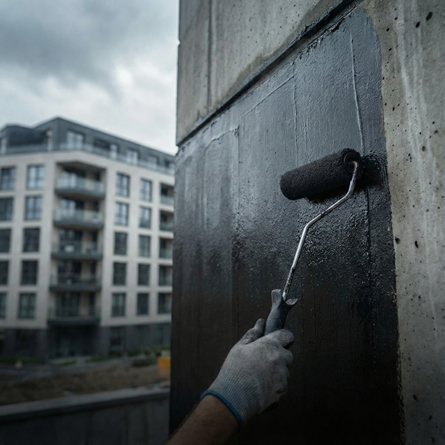
Addressing the issue early with professional exterior wall waterproofing prevents ongoing damage, reduces repainting costs and protects the integrity of your property long term. Ignoring the signs only guarantees bigger repairs when the next storm season arrives.
What Moisture Actually Does Inside Your Walls
Paint peeling looks bad, but that’s just surface stuff. Real damage happens inside walls, where it stays hidden until problems get catastrophic and costly.
- Timber framing rots when moisture penetrates cladding and saturates structural timber. Wood doesn’t rot from brief exposure, but constant dampness from failed waterproofing creates perfect conditions. Rotted framing means wall removal and complete timber replacement, not cheap repairs.
- Insulation becomes useless when moisture soaks through into batts or foam. Wet insulation loses all thermal performance, turning into soggy compressed mats that never dry properly. Energy bills spike, comfort disappears, and complete insulation replacement becomes necessary.
- Mould grows everywhere in damp wall cavities, spreading through buildings and creating serious health problems. Mould spores don’t stay trapped inside walls; they circulate through living spaces, affecting air quality and causing respiratory issues. Fixing this requires removing all contaminated materials completely.
- Electrical systems get dangerous when moisture reaches wiring and components within walls. Corrosion, short circuits, fire risks all increase dramatically. Insurance companies get very interested when moisture damage involves electrical components.
- Property values tank once moisture problems establish themselves. Buyers inspect thoroughly now, and obvious exterior moisture issues kill sale prices or deals completely. Nobody wants to inherit someone else’s waterproofing nightmare.
Where Walls Fail Most Often
Moisture doesn’t attack randomly. It exploits specific weak points that show up consistently when exterior wall waterproofing isn’t done right.
- Windows and doors create envelope interruptions where waterproofing must transition between different materials. Poorly flashed openings let water behind cladding, where it saturates framing and causes massive damage before showing inside.
- Wall-to-roof junctions experience extreme weather and complex geometry, requiring careful waterproofing details. Water running off roofs concentrates at these spots, overwhelming inadequate waterproofing and penetrating into wall structures.
- Parapet walls and balconies face weather from every direction without roof overhang protection. These exposed sections need robust waterproofing walls, exterior systems handling constant wetting and drying cycles without failing.
- Material transitions between brick and timber, rendered and unrendered sections, or different cladding types create movement joints, stressing waterproofing. Different materials expanding at different rates crack rigid systems.
- Below-grade sections where walls meet ground face both weather exposure and rising damp from soil contact. This dual moisture threat needs specialised approaches addressing both sources simultaneously.
Signs Your Waterproofing Is Already Failing
Catching exterior moisture problems early prevents expensive interior damage. These signs mean water’s already penetrating and getting worse daily.
- Paint peeling or bubbling means moisture pushing through from behind. Paint doesn’t randomly fail on dry surfaces. Bubbling specifically shows water trapped underneath trying to escape.
- White crusty deposits appearing on masonry prove water is moving through the material. As water evaporates, it leaves mineral salts behind. These deposits confirm active moisture movement.
- Staining patterns running down from windows or joints show water finding pathways through exterior waterproofing. Stains reappearing after cleaning indicate ongoing moisture issues, not just surface dirt.
- Cracked caulking around penetrations and joints allows direct water entry. Caulking degrades from UV and temperature cycling, creating gaps that channel water into wall assemblies.
- Interior problems like mould, musty odours, or damp patches on walls adjacent to exterior surfaces prove that moisture is penetrating completely through. Once problems show inside, exterior waterproofing has failed significantly already.
What Real Waterproofing Actually Involves
Proper waterproofing of exterior wall systems isn’t just weather-resistant paint or surface treatments. They’re comprehensive approaches protecting entire building envelopes from moisture intrusion.
- Drainage planes ensure that water getting behind cladding can escape rather than saturating wall structures. This involves proper building wrap, ventilation gaps, and weep holes allowing moisture drainage and evaporation.
- Flashing at all penetrations directs water away from vulnerable areas before entering wall assemblies. Properly integrated flashings at windows, doors, and material changes prevent the most serious moisture problems.
- Correct sealant selection requires understanding which products suit specific substrates and expected movement. Wrong sealant in the right location fails as quickly as no sealant at all. Movement capabilities, substrate compatibility, and UV resistance all matter enormously.
- Surface preparation determines whether coatings and sealants bond properly. Contaminated, damaged, or improperly profiled surfaces prevent adequate adhesion regardless of the product quality used.
- System approach means understanding how components work together, managing moisture. Building envelope protection involves multiple layers and redundant strategies, not single solutions hoping to stop everything.
Different Walls Need Different Approaches
Not all exterior walls face identical conditions. Proper specification accounts for specific exposure and building design realities.
- Rendered masonry needs breathable coatings allowing moisture vapour escape while blocking liquid water. Non-breathable waterproofing traps moisture inside walls, creating worse problems than it prevents.
- Timber cladding relies on drainage planes and protective coatings, allowing dimensional movement. Wood expands and contracts with moisture changes, stressing rigid waterproofing. Flexible systems moving with the substrate perform better in the long term.
- Metal cladding focuses on joint sealing and corrosion prevention rather than waterproofing material itself. Metal doesn’t absorb water, but joints and penetrations still need careful sealing.
- Concrete and masonry benefit from penetrating sealers that waterproof without creating surface films. These fill pores while maintaining breathability and natural appearance. Surface coatings often fail as concrete continues curing and releasing moisture.
Perth Weather Makes Everything Harder
Perth’s specific patterns create unique challenges generic waterproofing approaches don’t address properly.
- Coastal humidity keeps surfaces damp for extended periods, promoting mould growth and accelerating material degradation. Buildings near the coast need more robust waterproofing than inland properties.
- UV intensity degrades sealants, coatings, and materials faster than in milder climates. Products must include UV stabilisers, maintaining performance through years of intense sun. Cheap stuff fails within years.
- Storm-driven rain during winter tests the waterproofing severely. Wind-driven rain finds every weakness, penetrating defects hidden during calm weather. Systems must handle worst-case scenarios, not just average conditions.
- Temperature cycling between scorching days and cool nights stresses materials through constant expansion and contraction. Rigid systems crack under this cycling. Flexible systems last longer.
Stop Ignoring the Warning Signs
Exterior waterproofing isn’t a cosmetic improvement to consider eventually when budgets allow. It’s critical protection preventing catastrophic damage, destroying property value and creating dangerous conditions.
Paint peeling ignored becomes rotted framing, requiring structural repairs costing tens of thousands. Minor staining left unaddressed allows moisture saturation, destroying insulation and growing toxic mould. Small caulk gaps neglected channel water into walls for years before interior damage becomes obvious and expensive.
Maintaining building envelopes for decades versus facing extensive repairs comes down to proper waterproofing of exterior walls from the start and addressing failures immediately when they show up. Waiting never reduces costs or damage severity. It only guarantees worse problems requiring more extensive and expensive repairs later.
Buildings showing exterior moisture signs need professional assessment and proper waterproofing now, not another temporary paint job masking ongoing damage underneath, continuing to worsen daily.
Protect Your Building Properly
Waterproofing Perth specialises in comprehensive exterior wall waterproofing across Perth, protecting building envelopes from weather and moisture damage before problems become disasters. Professional assessment identifies vulnerabilities early, and proven systems stop moisture where it belongs, outside the building structure.