
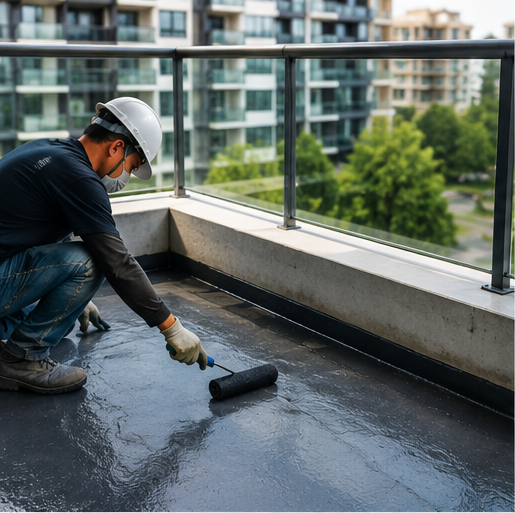
Waterproofing failures inside strata developments rarely remain contained within a single defect area. Moisture migration through slabs, podiums, façade junctions, and service penetrations can affect multiple lots before the original breach becomes identifiable. For strata committees and property managers, this creates a planning issue rather than a simple maintenance task.
For strata groups and property managers, the hard part is rarely the fix itself. The struggle is in sorting access, money, workers, rules, resident needs and long-term building care across a busy complex. Without a clear waterproofing plan, small fixes turn into repeat disruptions, rising repair costs and never-ending maintenance stress.
Why Isolated Repairs Create Long Term Financial Exposure
Many strata properties manage waterproofing through reactive callouts tied to visible complaints. This approach frequently overlooks concealed deterioration already progressing beyond the reported location.
In multi residential environments, moisture commonly travels through:
- Expansion joints
- Balcony thresholds
- Service risers
- Façade interfaces
- Retaining structures
- Basement transitions
This movement pattern complicates defect identification because the internal symptom often appears remotely from the actual membrane failure.
Repeated localised patching can therefore produce three separate financial exposures:
Exposure Type | Operational Impact |
Incomplete rectification | Ongoing contractor attendance |
Delayed structural intervention | Escalating concrete remediation costs |
Unverified compatibility between repair systems | Reduced membrane performance lifespan |
Large scale properties benefit more from integrated remediation scheduling than disconnected repair approvals issued throughout the year.
Waterproofing Priorities Within High Density Developments
Not all waterproofing systems deteriorate at the same rate within high-density developments. Factors such as environmental exposure, construction sequencing, drainage performance, and structural movement can significantly affect the lifespan of membranes used in Residential Waterproofing and Commercial Waterproofing projects. A proactive assessment strategy helps identify technically vulnerable areas before widespread damage occurs.
Areas requiring earlier intervention commonly include:
Rooftop Plant Zones
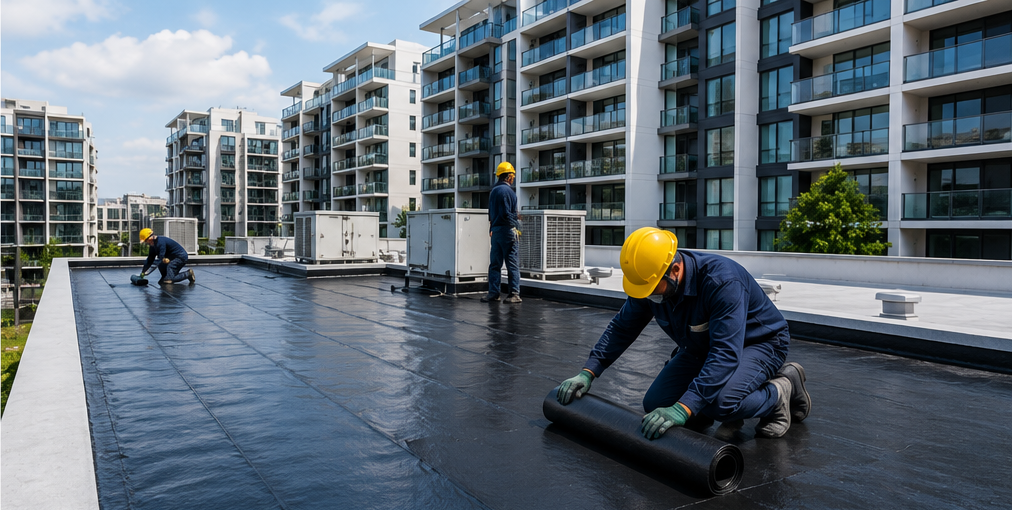
Frequent mechanical servicing activity can increase membrane abrasion risks around equipment bases and access pathways. In many cases, ageing Rooftops Waterproofing systems may begin to fail prematurely without regular inspection and maintenance.
Podium Deck Structures
Heavy traffic loading and poor drainage falls often contribute to water retention beneath tiled or paved finishes. Effective Podium Waterproofing is essential to minimise long-term structural deterioration and prevent moisture ingress into occupied areas below.
Basement Perimeters
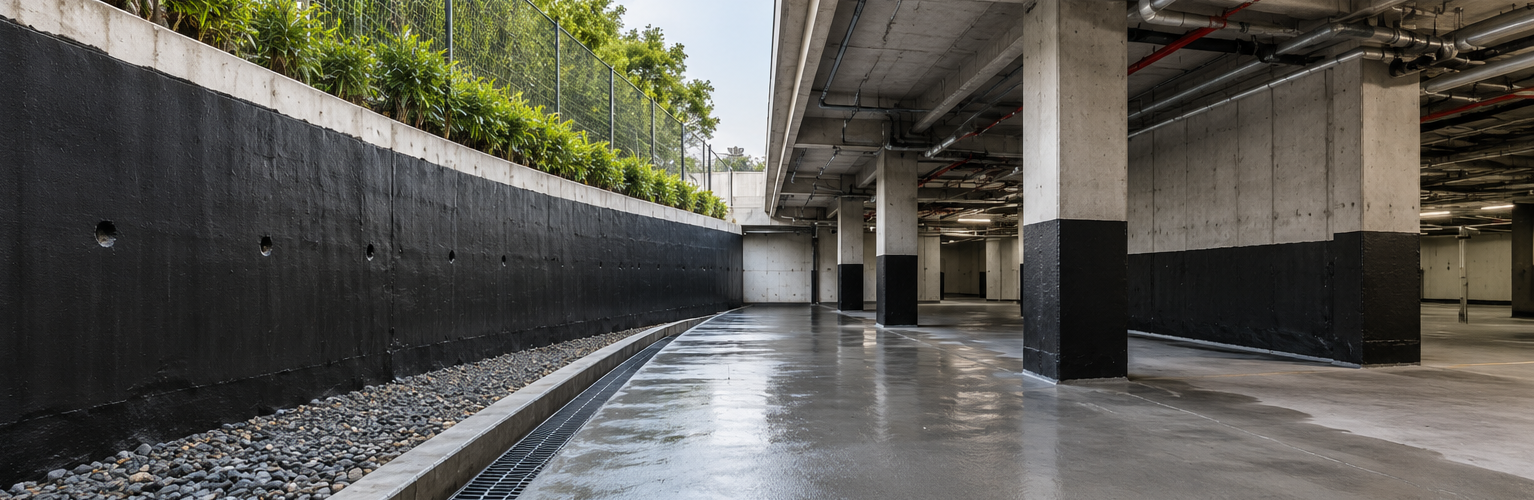
Hydrostatic pressure against retaining structures can intensify membrane fatigue where drainage efficiency declines over time. Professional Basement Waterproofing and Retaining Wall Waterproofing solutions are critical in preventing water penetration and maintaining structural integrity within underground levels.
Balcony Thresholds
Threshold detailing failures commonly result in concealed moisture transfer into adjoining internal finishes. High-quality Balcony Waterproofing systems help protect surrounding structures from water ingress and ongoing maintenance issues.
Wet Area Junctions
Movement between floor and wall transitions can compromise ageing waterproofing systems well before visible surface damage appears. Regular inspections of Bathroom Waterproofing, Kitchen Waterproofing, and wet area membranes are essential to maintain long-term waterproofing performance.
External & Recreational Structures
Areas exposed to constant weather conditions and water exposure, including terraces and recreational facilities, often require specialised protection systems. Proper Exterior Waterproofing, Pool Waterproofing, and Terrace And Undercroft Waterproofing help reduce deterioration risks and extend the service life of building assets. In addition, professional Silicone Caulking plays a critical role in sealing movement joints and preventing water ingress around vulnerable connection points.
A staged waterproofing program allows committees and property managers to prioritise high-risk areas strategically rather than responding only after occupant complaints or visible damage arise.
Budget Forecasting Requires Membrane Lifecycle Awareness
Strata budgeting often becomes difficult when waterproofing expenditure is treated as an unpredictable emergency cost rather than a planned asset management category.
Different waterproofing systems carry varying service life expectations depending on:
- UV exposure
- Surface movement
- Drainage efficiency
- Traffic conditions
- Installation quality
- Product compatibility
Without condition-based forecasting, committees frequently encounter simultaneous failures across multiple locations nearing the end of operational performance.
Strategic planning enables committees to:
- Separate urgent rectification from scheduled renewal works
- Allocate reserve funding more accurately
- Reduce emergency procurement pressure
- Avoid repeated access setup costs across separate projects
For large developments, consolidating works into programmed stages often improves operational efficiency substantially.
Resident Coordination Influences Project Viability
Occupied strata environments introduce logistical restrictions rarely encountered on vacant construction sites.
Access management becomes particularly important where waterproofing works affect:
- Private balconies
- Internal wet areas
- Shared corridors
- Vehicle entry points
- Lift access routes
Poor scheduling can produce secondary operational complications including complaint escalation, delayed contractor access, and extended project durations.
Effective coordination frameworks generally include:
Coordination Requirement | Purpose |
Sequenced work zones | Reduces simultaneous resident disruption |
Advance access notifications | Minimises refused entry delays |
Dedicated staging areas | Prevents obstruction of common facilities |
Defined completion windows | Assists occupant planning |
Progress reporting protocols | Maintains committee oversight |
For complexes containing multiple towers or extensive shared infrastructure, project sequencing directly influences cost control and resident cooperation.
Compliance Documentation Carries Ongoing Legal Importance
Within strata environments, waterproofing documentation performs an operational function beyond installation verification.
Compliant works should align with:
- AS 3740:2021 for internal waterproofing systems
- AS 4654:2012 for external waterproofing applications
- National Construction Code requirements
- Manufacturer installation specifications
Incomplete certification records can complicate future:
- Insurance assessments
- Defect attribution processes
- Warranty investigations
- Asset transfer documentation
- Building condition reporting
For committees managing long term asset protection, record retention becomes equally important as physical rectification quality.
Warranty Structures Must Support Future Claims Administration
Warranty periods alone provide limited value without supporting technical documentation and compliant installation procedures.
Effective waterproofing programs should include:
- Waterproofing application warranty coverage
- Manufacturer backed product warranties
- Compliance certification
- Installation records
- Product traceability documentation
- Insured contractor verification
Where multiple remediation stages occur across different years, maintaining consistent warranty documentation becomes critical for future claim administration.
This is particularly relevant within large developments where committee membership and management personnel may change over time.
Why Large Complexes Require Consistent System Compatibility
One of the most overlooked issues in strata waterproofing involves incompatible repair methodologies introduced across separate maintenance periods.
Different contractors may apply unrelated systems over several years without considering:
- Existing membrane chemistry
- Adhesion compatibility
- Vapour transmission behaviour
- Surface preparation requirements
- Differential movement performance
This fragmented approach can compromise future remediation efficiency and complicate defect tracing.
Program based planning reduces this risk by establishing standardised specifications across the property rather than approving isolated repair methods independently.
Silicone Joint Failure Often Precedes Major Water Entry
In many strata buildings, membrane deterioration is not the first point of failure.
Sealant breakdown around:
- Window perimeters
- Expansion joints
- Façade penetrations
- Service interfaces
- Balcony transitions
can allow progressive moisture ingress long before major membrane replacement becomes necessary.
Routine inspection programs frequently identify sealant deterioration earlier and at lower rectification cost compared with delayed structural remediation.
For larger developments, preventative sealant management can significantly reduce future waterproofing expenditure.
Procurement Decisions Should Extend Beyond Initial Pricing
Tender assessments focused primarily on lowest quotation values can expose strata properties to substantial future rectification costs.
Large scale waterproofing projects require evaluation of:
Assessment Area | Strategic Importance |
Contractor experience with occupied complexes | Reduces operational disruption |
Compliance capability | Supports future liability protection |
System specification quality | Influences service lifespan |
Insurance coverage | Reduces financial exposure |
Documentation procedures | Assists long term asset management |
Short term procurement savings achieved through inadequate system selection frequently create significantly higher rectification costs later.
Protect Your Strata Asset with Planned Waterproofing Solutions
Strata waterproofing programs require technical planning frameworks capable of addressing compliance, sequencing, documentation, budgeting, access management, and long-term asset protection within occupied environments.
With experience across retirement villages, apartment developments, commercial buildings, and multi residential complexes ranging from three to thirteen storeys, Waterproofing Perth delivers compliant waterproofing solutions supported by insured specialists, certified installation procedures, manufacturer backed systems, and a 10-year waterproofing application warranty.
FAQs
1. Why do strata leaks spread across multiple units?
Water often travels through concealed structural areas before becoming visible internally.
2. Which strata areas fail fastest?
Podium decks, balconies, rooftops, basements, and wet area junctions commonly deteriorate earlier.
3. Why are reactive waterproofing repairs costly?
Short-term fixes often leave underlying deterioration unresolved.
4. How does waterproofing planning support budgeting?
It helps committees schedule work and reduce emergency spending.
5. Why does strata experience matter for contractors?
Occupied complexes require careful coordination, access management, and staged works.
6. What records should strata committees keep?
Compliance certificates, warranties, installation records, and insurance documentation.
7. Can incompatible waterproofing systems cause issues?
Yes. Different systems may affect adhesion and long-term performance.
8. Why are silicone joints important?
Failed joints can allow moisture ingress before major defects appear.
9. Which standards apply to waterproofing works?
AS 3740:2021 and AS 4654:2012 are key Australian standards.
10. What should committees assess besides pricing?
Experience, compliance capability, insurance coverage, and documentation procedures.