

Waterproofing for Heritage & Older Properties: Unique Challenges in Perth
Many old Perth homes were built using thick walls, open vents, and basic drainage instead of the waterproof layers used today. Over the years, these homes quietly develop water damage inside walls, floors, and joins that goes unnoticed until things get very bad.
The owners of old classic houses must take into account the age of the materials used and the condition in which they are now in and any modifications made to the house in the past. Old brick, wooden floors or old concrete are not handled the same way as modern materials and basic waterproofing products can cause even more damage. Waterproofing Perth projects involving heritage homes require careful planning and material selection.
Lime Mortar and Porous Masonry Require Controlled Moisture Release
A number of Perth’s heritage buildings were constructed using lime mortar and permeable brick construction, which allows moisture to slowly enter and exit the building through evaporation.
Modern impermeable coatings can interfere with this process by trapping moisture inside wall systems. Once internal evaporation becomes restricted, deterioration may continue beneath rendered or painted finishes without immediate surface evidence.
This often contributes to:
| Material Condition | Result |
| Salt accumulation | Surface breakdown |
| Moisture retention | Internal weakening |
| Restricted evaporation | Masonry stress |
| Trapped dampness | Finish separation |
Properties that have undergone partial renovations frequently experience additional complications where older masonry interacts with newer non-breathable products installed by inexperienced waterproofing specialist perth contractors.
Original Footings Often Allow Ground Moisture Migration
Many older homes were constructed without modern damp-proof protection beneath structural walls.
Groundwater flowing up through masonry and footing can cause mineral contamination to permeate any surrounding finishes over time. This process may continue for years before significant visible symptoms develop internally.
Common indicators include:
- Powdering plaster
- Persistent wall dampness
- Decaying skirting boards
- Surface blistering
- Efflorescence deposits
External paving height changes and poor stormwater discharge frequently worsen the condition by increasing moisture concentration around original footings. In severe cases, Basement Waterproofing solutions may also be required to manage rising damp and water ingress.
Suspended Timber Flooring Systems Deteriorate from Below
Character homes across Perth commonly contain raised timber flooring systems supported by subfloor framing.
These areas depend on unrestricted ventilation beneath the structure. When airflow becomes limited through blocked vents, extensions, or landscaping modifications, moisture begins accumulating within enclosed subfloor spaces.
Unlike roof leaks, deterioration beneath suspended flooring often progresses unnoticed because damage develops below occupied areas.
Extended exposure to damp conditions may affect:
| Subfloor Component | Potential Issue |
| Timber bearers | Structural weakening |
| Joists | Fungal decay |
| Metal fixings | Corrosion |
| Floor stability | Movement and deflection |
Subfloor moisture investigations are particularly important before commencing internal renovation work as part of larger Residential Waterproofing assessments.
Older Bathrooms Commonly Conceal Layered Defects
Bathrooms within heritage homes rarely contain a single generation of construction work. Many have undergone repeated cosmetic upgrades while original substrates remain beneath later finishes.
This often results in multiple concealed issues existing simultaneously, including:
- Failed bedding compounds
- Unstable floor levels
- Deteriorated framing
- Inadequate drainage falls
- Previous membrane breakdown
Visible tile damage rarely reflects the full condition beneath the surface.
In many cases, demolition reveals water-affected structural materials extending beyond the immediate wet area footprint. Proper Bathroom Waterproofing becomes essential when restoring ageing wet areas in heritage homes.
Decorative Roof Features Increase Water Entry Risk
Architectural features of older homes in Perth can leave several weak spots for rainwater to penetrate during the rainy season.
Chimney interfaces, parapet walls, valley intersections and box gutters behind decorative facades are particularly sensitive areas.
Defect tracing can be challenging in these areas as water penetration through the roof framing may reach the interior before manifesting itself. In areas with intact ornate ceilings, cornices or even heritage plasterwork, the effects of moisture exposure can cause damage to irreplaceable finishes long before the damage is recognized by the building occupants.
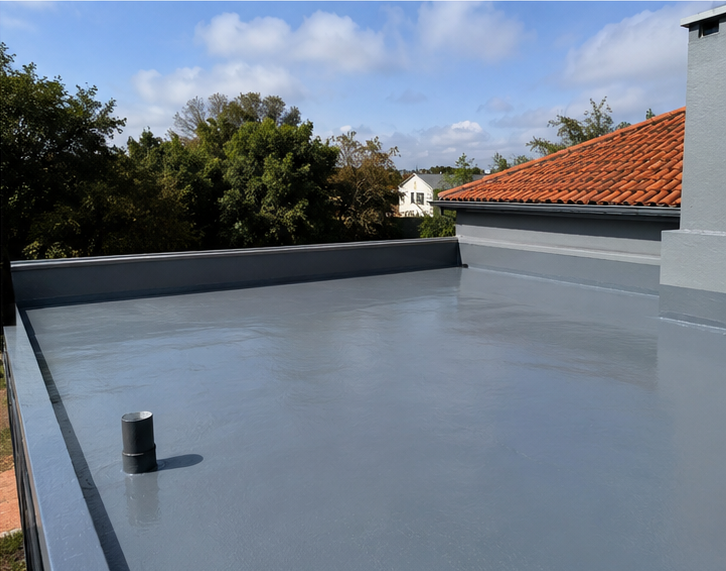
Professional Rooftops Waterproofing systems help minimise ongoing water penetration risks in these vulnerable roof structures.
Retaining Structures Around Older Homes Experience Drainage Pressure
Many heritage properties were constructed on sloping sites supported by masonry retaining walls and stepped foundations.
Over time, the surrounding ground conditions often change due to:
- Landscape redesign
- Added paving
- Altered runoff direction
- Soil settlement
- Blocked agricultural drainage
These changes increase moisture pressure against retaining structures and adjoining lower ground walls.
Where external waterproofing systems deteriorate, seepage may progressively affect internal storage areas, slab edges, and wall junctions without immediate external visibility. Targeted Retaining Wall Waterproofing and Exterior Waterproofing treatments are often necessary in these conditions.
Balcony Deterioration Often Extends into Structural Concrete
Ageing balconies regularly experience prolonged water exposure through cracked finishes, blocked outlets, or deteriorated drainage falls.
Once moisture reaches embedded reinforcement, corrosion expansion begins, affecting the surrounding concrete internally.
Typical warning signs include:
| Surface Symptom | Underlying Condition |
| Rust staining | Reinforcement corrosion |
| Concrete cracking | Internal expansion |
| Hollow surfaces | Delamination |
| Edge separation | Structural deterioration |
Surface resurfacing alone rarely resolves these conditions because deterioration continues beneath visible finishes unless structural remediation is completed simultaneously. Professional Balcony Waterproofing is critical to prevent long-term structural damage in ageing properties.
Silicone Failure Around Junctions Allows Slow Moisture Entry
Many heritage homes contain movement-sensitive junctions around timber windows, stone interfaces, service penetrations, and decorative external elements.
As sealants age, separation may develop gradually around these interfaces, allowing slow moisture entry into concealed cavities.
Unlike major leaks, these failures often remain unnoticed until secondary deterioration affects adjoining finishes or framing systems.
Routine inspection of junction sealing becomes particularly important in properties containing mixed construction materials with varying movement behaviour. Timely Silicone Caulking maintenance helps reduce hidden moisture intrusion around sensitive joints and penetrations.
Product Compatibility Determines Long-Term Performance
One of the most common causes of premature waterproofing failure within heritage properties involves unsuitable product selection across ageing substrates.
Different materials respond differently to membrane flexibility, adhesion methods, and vapour permeability.
Applying incompatible systems can contribute to:
- Adhesion breakdown
- Surface stress cracking
- Internal condensation
- Material separation
- Accelerated substrate fatigue
Careful specification is therefore essential when working across older masonry, timber, render, and concrete structures within restoration-focused projects involving specialised Commercial Waterproofing and heritage remediation work.
Protect the Structural Integrity of Your Heritage Property
Older Perth homes require waterproofing systems suited to porous construction materials, ageing substrates, concealed moisture migration, and restoration-sensitive remediation methods.
With experience across heritage style residences, balconies, basements, retaining walls, rooftops, and specialised remediation projects, Waterproofing Perth delivers compliant waterproofing solutions supported by qualified specialists, certified application methods, manufacturer-backed products, and a 10-year waterproofing application warranty.
FAQs
1. Why do old homes in Perth face more waterproofing problems than newer homes?
Older homes were built with different materials and building methods that do not handle water the same way as modern houses. Ageing walls, worn surfaces, and outdated drainage systems can slowly allow moisture to enter hidden areas over time, requiring specialised Residential Waterproofing solutions.
2. Can waterproofing damage heritage walls if the wrong products are used?
Yes. Some modern waterproof products can trap moisture inside older walls instead of letting them breathe naturally. This may lead to cracking, surface damage, or hidden weakening inside the structure.
3. Why is salt damage common in heritage properties?
Ground moisture can carry minerals and salts through old masonry. As the moisture dries, the salts stay behind and slowly damage paint, plaster, brickwork, and other finishes.
4. How do blocked subfloor vents affect timber flooring?
When airflow under the house becomes limited, damp air stays trapped beneath timber floors. This can lead to timber decay, mould growth, corrosion of metal parts, and uneven flooring movement.
5. Why are waterproof inspections important before renovating an old home?
Many hidden moisture problems sit behind walls, beneath floors, or under tiles. Renovating without checking these areas first can hide existing damage and make future repairs more expensive.
6. What makes heritage bathrooms harder to waterproof?
Older bathrooms often contain layers of old and new materials from different renovations. This can create unstable surfaces, hidden leaks, and damaged structures underneath the visible finishes, making professional Bathroom Waterproofing extremely important.
7. Why do balconies in older homes develop structural problems?
Water can enter through cracked surfaces or poor drainage and slowly reach the steel reinforcement inside the concrete. Over time, the steel expands due to corrosion and weakens the surrounding structure.
8. Can landscaping changes increase moisture problems around heritage homes?
Yes. Adding paving, raising garden beds, or changing water flow can push more moisture towards old foundations and retaining walls, increasing seepage and dampness risks that may require Retaining Wall Waterproofing services.
9. Why are small sealant gaps dangerous in older properties?
Tiny gaps around windows, stonework, pipes, and joints can allow slow water entry into hidden cavities. These leaks are often difficult to notice until visible damage appears much later.
10. How often should heritage homes be checked for waterproofing issues?
Regular inspections are important because many moisture problems develop slowly and stay hidden for years. Checking vulnerable areas early can help prevent major structural repairs and protect original building materials.