

May 13, 2026
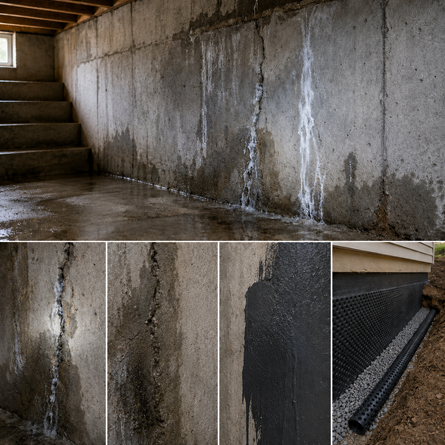
Waterproofing problems have this special way of driving you mad. They never start with a bang. They creep up quietly. A weird smell in the corner. A patch on the wall that looks a bit off. A bit of paint lifting where it once looked perfect.
Then one day you realise it is not going away.
If you are a homeowner, managing a strata property or responsible for maintaining a building, you already know this is not something you can push aside. Waterproofing problems never stay small. They grow quietly in the background and end up costing you way more money than you thought possible.
This guide breaks down what happens when waterproofing stuffs up, how to work out what’s causing it and what you need to do now before it turns into a complete mess.
The Early Signs Everyone Misses
Waterproofing doesn’t collapse all at once. It fails gradually, and the early warning signs are super easy to ignore or write off.
Keep an eye out for:
- That musty smell that hangs around no matter how much you scrub
- Paint bubbling or peeling where it shouldn’t
- Dark damp patches spreading on walls or ceilings
- Tiles feeling loose or grout cracking apart
- Mould showing up in corners or creeping along edges
- Water sitting in places it’s never pooled before
None of these look urgent by themselves. But spot a few together? Something’s gone wrong underneath and it’s only going to get worse.
Why Waterproofing Fails in the First Place
There is always a reason behind it. Sometimes it is one issue, sometimes a combination.
Here is a simple way to understand what might be happening:
If the same problem keeps coming back, it is usually sitting somewhere in this list.
Step 1: Avoid Quick Surface Fixes
This is where many people slip up.
You notice a leak, so you seal what you can see. Maybe you apply a coating or fill a gap. It looks fine for a while. Then the problem returns.
The reality is simple.
Water does not always enter where you see the damage.
What you see is often just the final point where moisture shows itself.
Before doing anything:
Look around nearby areas, not just the damaged spot
Check above, below and behind
Try to trace where the moisture could be coming from
If it is not clear, bringing in a waterproofing specialist Perth can save you from going in circles. A proper assessment makes all the difference.
Step 2: Understand the Area You Are Dealing With
Different areas behave differently when it comes to water exposure.
Here is a quick comparison:
Once you understand the area, it becomes easier to figure out what kind of solution is needed.
Step 3: Repair or Start Fresh
This is often the hardest decision.
Some issues can be fixed with targeted repairs. Others need a full redo.
Repairs may be enough when:
The damage is limited to one area
The rest of the system is still holding up
There are no structural cracks
A full replacement may be needed when:
- The damage has spread across multiple areas
- The same issue keeps returning
- The system has reached the end of its lifespan
A proper inspection through waterproofing services in Perth will usually give you a clear direction without guesswork.
How the Problem Grows Over Time
It helps to understand how things can progress if left unattended:
Stage 1: Slight moisture and surface changes
Stage 2: Ongoing dampness leading to mould
Stage 3: Materials begin to weaken or crack
Stage 4: Structural repairs become necessary
Catching it early keeps things manageable. Waiting usually means dealing with something far more complex later.
Step 4: Fix What Is Causing It
Once you know the source, the fix should focus on that. Not just what is visible.
This may involve:
- Reapplying or replacing the membrane
- Improving drainage
- Sealing joints properly
- Repairing cracks before waterproofing is applied
This is where experienced waterproofing contractors in Perth stand out. They look at the whole system, not just one section.
Step 5: What Happens After the Fix Matters Too
Many people fix the issue and move on. Then months or years later, the same problem returns.
A few simple habits can help avoid that:
- Check high risk areas from time to time
- Keep drainage outlets clear
- Address small cracks early
- Avoid temporary fixes in important areas
Waterproofing works best when it is looked after, not forgotten.
A Simple Look at Cost vs Delay
Here is something worth keeping in mind:
Delaying action almost always leads to more work and higher expense.
Cause of Failure | What It Looks Like in Reality |
Poor installation | Corners and joints not sealed properly |
Ageing materials | Membrane breaking down over time |
Structural movement | Small cracks allowing water to enter |
Wrong product choice | System not suited for the environment |
Lack of maintenance | Minor issues left unattended |
Area Type | Common Problem | Likely Cause |
Bathrooms | Loose tiles and mould | Membrane failure under tiles |
Balconies | Cracks and water pooling | Drainage issues or sun exposure |
Roofs | Leaks during rain | Worn out membrane |
Basements | Damp walls and seepage | Pressure from the surrounding soil |
Action Taken Early | What It Leads To |
Minor repair | Lower cost and quick fix |
Targeted membrane work | Moderate cost |
Full replacement | Higher cost |
Structural repair | High cost and disruption |
When It Is Time to Call Someone In
If you are searching for a water proofing company near me, chances are the issue has already gone beyond a simple fix.
It is worth bringing in a professional when:
- You cannot identify where the leak is coming from
- The problem keeps returning
- You are managing a larger property or shared building
- There are visible signs of mould or damage
- The right team will not just fix the surface. They will explain what is happening.
The Bottom Line
Waterproofing problems do not usually appear overnight. They build quietly and grow when left alone or misunderstood.
The key is not just acting quickly. It is acting in the right way.
Take the time to:
- Understand where the issue is coming from
- Choose the right level of repair
- Work with people who look beyond the surface
Handled properly, even a failed system can be turned into something reliable again.
About Waterproofing Perth
If you are searching for a local and trusted “waterproofing company near you,” the expert team at Waterproofing Perth brings practical experience and straightforward waterproofing solutions that last.
Our focus on providing the right solutions and making sure customers are happy has built our reputation as one of Perth’s most trusted waterproofing teams. We only use top quality products that come with 10-25 year manufacturer warranties, plus we back our work with a 10 year waterproofing application warranty.
Ready to protect your property properly? Contact Waterproofing Perth today and let’s sort out your waterproofing for good.