

January 13, 2026
Concrete retaining walls play a critical role in supporting soil, managing elevation changes, and protecting properties across Perth. However, Perth’s unique climate poses serious challenges to the long-term durability of these structures. Without proper concrete retaining wall waterproofing, even well-built walls can suffer from moisture damage, cracking, and structural failure over time.
This guide explains why waterproofing is essential, how Perth’s weather impacts retaining walls, and what solutions deliver long-term protection while meeting modern construction and SEO best practices.
Understanding Perth’s Climate and Its Impact on Retaining Walls
Perth experiences hot, dry summers followed by wet winters with intense rainfall events. This combination creates repeated wet-dry cycles that place constant stress on concrete structures.
When water accumulates behind a retaining wall, it increases hydrostatic pressure. Over time, moisture penetrates untreated concrete and masonry joints, leading to erosion, cracking, and weakening of the wall’s integrity. Using a proper waterproof for retaining wall solution is not optional in this environment it is essential for durability.
How Water Damages Concrete Retaining Walls
Moisture Penetration and Cracking
Concrete is porous by nature. When water seeps into a wall, it can cause micro-cracks that expand with temperature changes. This is particularly problematic in Perth, where daily temperature fluctuations are common.
Increased Hydrostatic Pressure
Trapped water behind the wall significantly increases pressure. Without a properly installed waterproof back of retaining wall system, this pressure can cause bulging, leaning, or even wall failure.
Long-Term Structural Degradation
Over time, continuous moisture exposure can corrode steel reinforcements, degrade mortar joints, and shorten the lifespan of the retaining wall. Preventative waterproofing is far more cost-effective than structural repairs.
Benefits of Concrete Retaining Wall Waterproofing
Enhanced Structural Longevity
Installing a high-quality retaining wall waterproofing membrane creates a barrier that prevents water ingress. This significantly extends the life of the wall and preserves its load-bearing capacity.
Reduced Maintenance and Repair Costs
Water damage often remains hidden until it becomes severe. Proactive waterproofing concrete block retaining walls helps avoid costly repairs, replacements, and potential safety risks.
Improved Property Value and Safety
A stable, dry retaining wall protects surrounding structures, landscaping, and foundations. This improves overall property value and reduces liability concerns.
Waterproofing Solutions for Retaining Walls
Retaining Wall Waterproofing Membranes
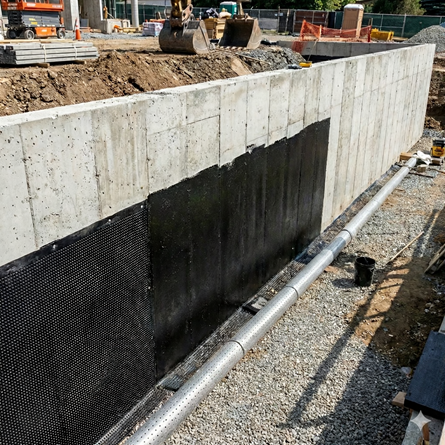
A retaining wall membrane is one of the most effective solutions for moisture protection. These membranes are applied to the rear face of the wall before backfilling, preventing groundwater from entering the structure.
Membranes can be liquid-applied or sheet-based, depending on site conditions and wall design. Correct installation is critical to ensure full coverage and long-term performance.
Waterproofing Block Retaining Walls
Waterproofing block retaining walls requires special attention to mortar joints, which are common entry points for moisture. Flexible membranes and compatible sealants help bridge joints and accommodate minor movement without cracking.
Drainage Integration
Waterproofing alone is not enough. Proper drainage systems, such as agricultural drains and gravel backfill, must work in conjunction with waterproofing to relieve water pressure and direct moisture away from the wall.
Why Waterproofing Is Especially Important in Perth
Seasonal Rainfall Patterns
Perth’s winter rainfall can be sudden and heavy. Without adequate waterproofing, water accumulates quickly behind retaining walls, increasing the risk of damage.
Soil Conditions
Many Perth soils have low permeability, meaning water drains slowly. This makes waterproofing concrete block retaining walls even more critical to prevent prolonged moisture exposure.
Compliance With Modern Building Standards
Current construction best practices emphasize moisture management and durability. Proper concrete retaining wall waterproofing aligns with these standards and reduces the risk of non-compliance issues.
When Should You Waterproof a Retaining Wall?
The best time to waterproof is during construction or when replacing backfill. However, existing walls showing signs of dampness, cracking, or efflorescence can still be treated using remedial waterproofing methods.
If you are planning new construction or upgrades, it is strongly recommended to include waterproofing as part of the initial design rather than as a retrofit.
Choosing the Right Waterproofing Approach
Selecting the correct waterproofing system depends on wall height, soil type, drainage design, and exposure conditions. Professional assessment ensures the right combination of membrane, drainage, and protective layers is used.
For property owners seeking long-term protection, professional concrete retaining wall waterproofing services provide peace of mind and proven results.
Final Thoughts
In Perth’s demanding climate, waterproofing is not just an added feature it is a necessity. From preventing structural damage to reducing long-term costs, investing in the right waterproof for retaining wall solution helps protect both your property and your peace of mind. This is why experienced specialists like Waterproofing Perth focus on long-term, climate-specific solutions rather than short-term fixes.
By using high-quality retaining wall waterproofing membrane systems and integrating effective drainage, you ensure your retaining wall remains strong, stable, and durable for years to come.